


1. Key Market Trends in Outdoor Leisure Furniture
A. Rise of Multi-Functional Designs
Modern consumers seek furniture that adapts to various uses, such as:
Convertible seating (e.g., loungers that transform into daybeds)
Modular systems (stackable chairs, adjustable tables)
Space-saving solutions (foldable chairs, nesting tables)
B. Blurring Indoor-Outdoor Boundaries
Homeowners increasingly want outdoor spaces that feel like extensions of their interiors. This has led to:
Luxury materials (teak, rattan, weather-resistant fabrics)
Cozy, lounge-style seating (deep cushions, fire pits, canopies)
Smart technology integration (built-in speakers, LED lighting, heating)
C. Growing Demand for Sustainable Products
Eco-conscious buyers prioritize:
Recycled and recyclable materials (reclaimed wood, recycled plastics)
Low-impact manufacturing processes
Long-lasting durability to reduce waste
D. Expansion of Commercial Outdoor Furniture Markets
Hotels, restaurants, and resorts are investing in high-quality outdoor seating to attract guests. Key drivers include:
Post-pandemic al fresco dining trends
Rise of "staycations" and rooftop bars
Need for durable, vandal-resistant furniture in public spaces
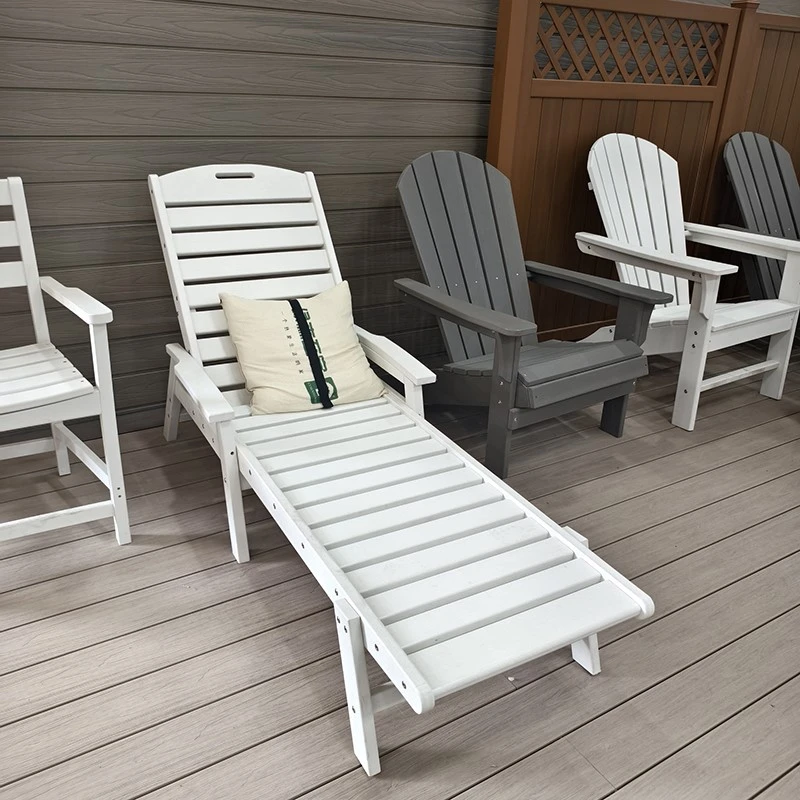
2. Most Popular Materials in Outdoor Furniture Manufacturing
A. Aluminum
Pros: Lightweight, rust-resistant, low maintenance
Cons: Can get hot in direct sunlight
Best for: Modern, minimalist designs; commercial use
B. Teak Wood
Pros: Naturally weather-resistant, ages beautifully, high strength
Cons: Expensive, requires occasional oiling
Best for: Luxury residential and hospitality settings
C. Synthetic Rattan/Wicker
Pros: UV-resistant, waterproof, mimics natural look
Cons: Less breathable than real wicker
Best for: Patio dining sets, lounge chairs
D. HDPE (High-Density Polyethylene) Recycled Plastic
Pros: Eco-friendly, durable, fade-resistant
Cons: Limited color options
Best for: Budget-friendly, sustainable outdoor furniture
E. Polyester & Olefin Fabrics
Pros: Quick-drying, mold-resistant, UV-stabilized
Cons: Less breathable than cotton blends
Best for: Cushions, umbrellas, canopies
3. Sustainability in the Outdoor Furniture Industry
A. Use of Recycled & Renewable Materials
Recycled plastics (from bottles, fishing nets)
FSC-certified wood (sustainably sourced teak, acacia)
Reclaimed materials (salvaged metal, driftwood)
B. Eco-Friendly Manufacturing Processes
Water-based finishes (instead of solvent-based)
Energy-efficient production (solar-powered factories)
Waste reduction (recycling scrap materials)
C. Longevity & Repairability
Modular designs (easy replacement of broken parts)
Durable coatings (powder-coating instead of painting)
Repair services (extending product lifespans)
D. Certifications to Look For
FSC (Forest Stewardship Council) – Sustainable wood sourcing
GREENGUARD – Low chemical emissions
Cradle to Cradle – Circular economy compliance
4. Challenges Facing the Outdoor Furniture Industry
A. Supply Chain Disruptions
Raw material shortages (e.g., teak, aluminum)
Shipping delays due to global logistics issues
B. Rising Production Costs
Increased prices for sustainable materials
Higher labor costs for skilled craftsmanship
C. Competition from Low-Cost Manufacturers
Cheap imports from regions with lax environmental regulations
Balancing affordability with quality and ethics
D. Climate Change Impacts
More extreme weather (heatwaves, storms) requiring tougher materials
Need for faster innovation in weatherproofing technologies
5. Future Outlook & Innovations
A. Smart Outdoor Furniture
Solar-powered charging stations
Built-in Bluetooth speakers
Temperature-controlled seating
B. Biophilic Design Integration
Living walls & vertical gardens incorporated into furniture
Natural textures (stone, cork) for a calming effect
C. 3D Printing & Customization
On-demand production to reduce waste
Personalized designs for residential and commercial clients
D. Circular Economy Models
Take-back programs for recycling old furniture
Leasing models instead of ownership


