


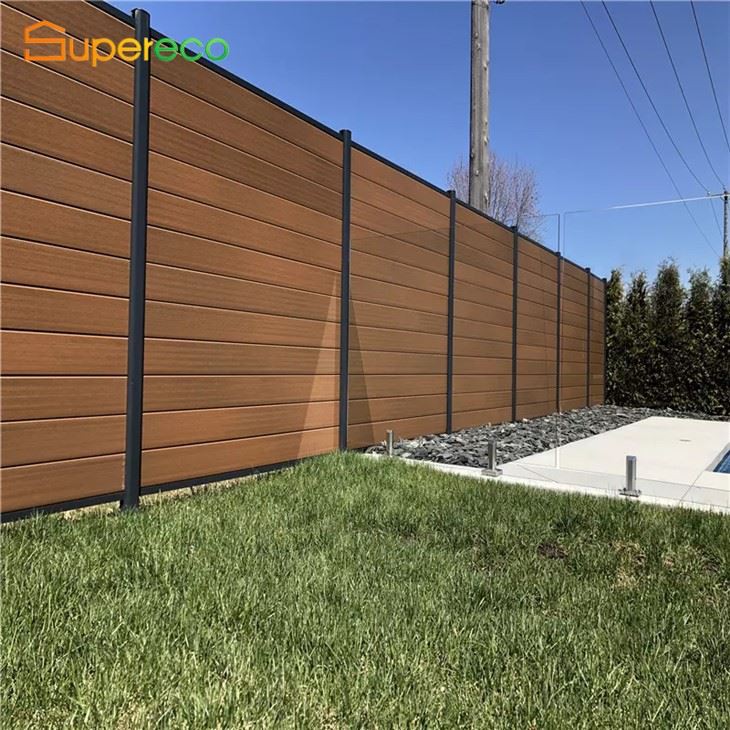
As a supplier of WPC fence guardrails, I understand the importance of maintaining these products to ensure their longevity and aesthetic appeal. WPC, or Wood-Plastic Composite, is a popular choice for fencing and guardrails due to its durability, low maintenance requirements, and eco-friendly nature. In this blog post, I will share some tips on how to maintain WPC fence guardrails effectively.
Regular Cleaning
One of the most basic yet crucial steps in maintaining WPC fence guardrails is regular cleaning. Over time, dirt, dust, pollen, and other debris can accumulate on the surface of the fence, making it look dull and unappealing. Cleaning your WPC fence at least once a season can help prevent this buildup and keep it looking its best.
To clean your WPC fence, start by removing any loose debris with a broom or a leaf blower. Then, mix a mild detergent with warm water in a bucket. Use a soft-bristled brush or a sponge to apply the soapy water to the fence, scrubbing gently in a circular motion. Pay special attention to areas that are prone to dirt buildup, such as the bottom of the fence and the corners.
After scrubbing, rinse the fence thoroughly with a garden hose to remove all the soap residue. Make sure to rinse from top to bottom to avoid streaking. If there are any stubborn stains, you can use a specialized WPC cleaner or a mixture of vinegar and water. However, always test the cleaner on a small, inconspicuous area first to ensure it does not damage the fence.
Preventing Mold and Mildew
Mold and mildew can be a common problem for WPC fence guardrails, especially in areas with high humidity or poor ventilation. These fungi not only look unsightly but can also cause damage to the fence over time. To prevent mold and mildew growth, it is important to keep the fence dry and well-ventilated.
Trim any overhanging branches or vegetation that may block sunlight or trap moisture against the fence. This will allow the fence to dry out more quickly after rain or watering. You can also consider applying a mold and mildew inhibitor to the fence. There are many commercial products available that are specifically designed for WPC materials. Follow the manufacturer's instructions carefully when applying the inhibitor.
If you notice any signs of mold or mildew on the fence, such as black or green spots, clean the affected area immediately. Use a mixture of bleach and water (one part bleach to ten parts water) to kill the fungi. Wear gloves and protective eyewear when working with bleach, and make sure to rinse the fence thoroughly after cleaning to remove any bleach residue.
Checking for Damage
Regularly inspect your WPC fence guardrails for any signs of damage, such as cracks, splits, or loose boards. Damage can occur due to various factors, including weather conditions, impact, or normal wear and tear. Catching and repairing damage early can prevent it from getting worse and extend the lifespan of the fence.
If you find a small crack or split in the fence, you can use a WPC repair kit to fix it. These kits usually come with a filler material and a bonding agent that can be used to fill the crack and seal it. Follow the instructions provided with the kit carefully for the best results.
For more serious damage, such as a broken board or a loose post, it may be necessary to replace the damaged part. As a WPC fence guardrail supplier, we offer a wide range of replacement parts to ensure that your fence can be easily repaired. If you are unsure how to replace a damaged part, you can consult a professional installer or contact our customer service team for assistance.
Protecting from the Elements
WPC fence guardrails are designed to be weather-resistant, but they can still be affected by extreme weather conditions. In areas with harsh winters, snow and ice can put additional stress on the fence, causing it to warp or break. To protect your fence during the winter, you can install snow guards or a snow fence to divert the snow away from the fence.
In areas with hot summers, prolonged exposure to the sun can cause the fence to fade or become brittle. You can apply a UV protectant to the fence to help prevent this. UV protectants are available in spray or liquid form and can be easily applied to the surface of the fence. Make sure to reapply the protectant regularly, especially after cleaning or heavy rain.
Maintaining the Hardware
The hardware used to install WPC fence guardrails, such as screws, nails, and brackets, also needs to be maintained. Over time, the hardware can rust or corrode, which can weaken the fence and cause it to become unstable. To prevent this, use high-quality, corrosion-resistant hardware when installing the fence.
Regularly check the hardware for any signs of rust or damage. If you notice any rust, you can use a wire brush to remove it and then apply a rust inhibitor. If the hardware is severely damaged, replace it immediately to ensure the safety and stability of the fence.
Contact Us for More Information
Maintaining your WPC fence guardrails is not only important for their appearance but also for their functionality and safety. By following these tips, you can keep your fence looking great and ensure it lasts for many years to come.
If you are in the market for a new WPC fence guardrail or need replacement parts, we are here to help. As a leading supplier of wpc Garden Fence, Composite Privacy Fence, and WPC Plug-In Fencing, we offer a wide range of high-quality products to meet your needs. Contact us today to discuss your requirements and start the procurement process.

References
- "WPC Fence Maintenance Guide." WPC Industry Association.
- "How to Clean and Maintain Composite Fencing." Home Improvement Magazine.
- Manufacturer's instructions for WPC fence guardrails and related products.