


As a supplier of WPC wall panels, I've witnessed firsthand the growing interest in these products, not just for their aesthetic appeal but also for their energy - efficient properties. In this blog, I'll delve into how WPC wall panels perform in terms of energy efficiency and why they are a great choice for both residential and commercial buildings.
Insulation Properties
One of the primary ways WPC wall panels contribute to energy efficiency is through their insulation capabilities. WPC, or Wood - Plastic Composite, is a material made by combining wood fibers and thermoplastics. This unique composition gives WPC wall panels better insulation than traditional materials like wood or concrete.
The wood fibers in WPC act as natural insulators. They trap air within their porous structure, which reduces heat transfer. Heat moves from warmer areas to cooler areas, and in a building, this means heat can escape during the winter and enter during the summer. The air pockets in the wood fibers slow down this heat transfer process, keeping the interior of the building more stable in terms of temperature.
The thermoplastics in WPC also play a role. They form a protective barrier around the wood fibers, preventing moisture from seeping in. Moisture can significantly reduce the insulation properties of a material. By keeping the wood fibers dry, the thermoplastics ensure that the insulation remains effective over time.
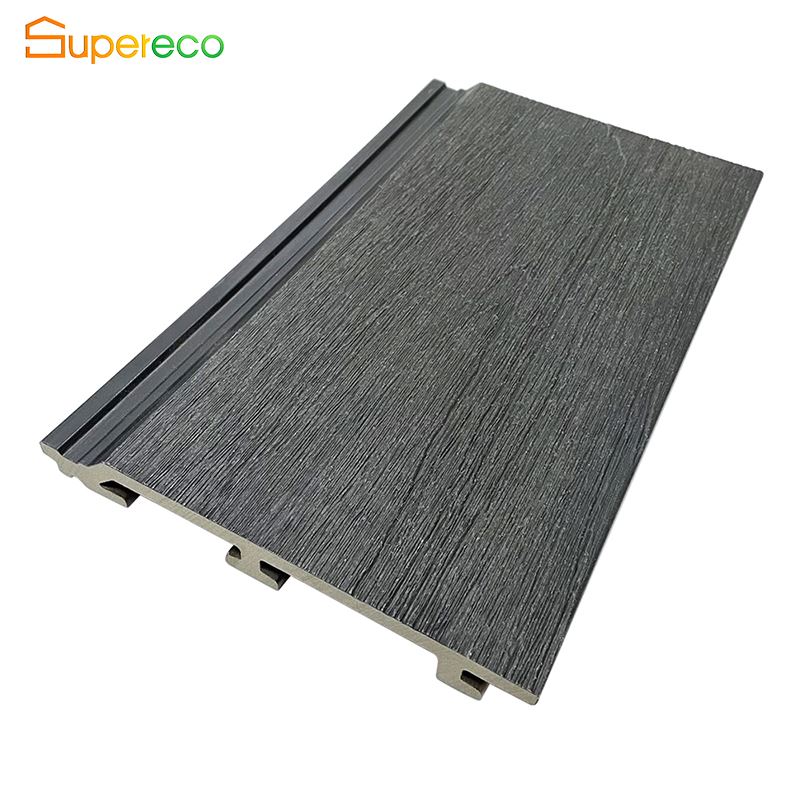

Studies have shown that buildings with WPC wall panels can have a lower energy consumption for heating and cooling. For example, in a well - insulated building with WPC wall panels, the heating system doesn't have to work as hard to maintain a comfortable temperature during the winter. Similarly, in the summer, the cooling system can operate more efficiently because less heat is entering the building.
Reducing Energy Loss Through Air Leakage
Air leakage is a major contributor to energy loss in buildings. When warm air escapes during the winter or hot air enters during the summer, the building's heating or cooling system has to work harder to compensate. WPC wall panels can help reduce air leakage.
WPC wall panels are typically installed with a tight - fitting system. They are designed to fit together seamlessly, leaving minimal gaps between the panels. This tight fit acts as a barrier against air movement. Unlike some traditional building materials that may develop cracks or gaps over time, WPC wall panels maintain their integrity.
The manufacturing process of WPC wall panels also ensures a consistent quality. Each panel is produced to precise specifications, which means that they fit together correctly during installation. This consistency helps in creating an air - tight seal around the building, reducing the amount of air that can leak in or out.
Reflectivity and Heat Absorption
The surface properties of WPC wall panels also contribute to their energy efficiency. Some WPC wall panels are designed with a high - reflectivity finish. This means that they reflect a significant amount of sunlight, rather than absorbing it.
When a building's exterior absorbs a lot of sunlight, it can heat up quickly. This heat is then transferred into the building, increasing the cooling load. By reflecting sunlight, WPC wall panels with high - reflectivity finishes keep the exterior of the building cooler. This, in turn, reduces the amount of heat that enters the building, making the cooling system more efficient.
On the other hand, in colder climates, some WPC wall panels can be designed to absorb a certain amount of sunlight during the day and release it slowly at night. This helps in maintaining a more stable indoor temperature without relying solely on the heating system.
Long - Term Energy Savings
The energy - efficient properties of WPC wall panels translate into long - term cost savings for building owners. While the initial cost of installing WPC wall panels may be slightly higher than some traditional materials, the energy savings over time can offset this cost.
As mentioned earlier, the reduced energy consumption for heating and cooling means lower utility bills. Over the lifespan of a building, these savings can be substantial. Additionally, WPC wall panels are durable and require less maintenance compared to some traditional materials. This also contributes to long - term cost savings.
Building owners can also benefit from government incentives for using energy - efficient materials. In many regions, there are tax credits or rebates available for buildings that meet certain energy - efficiency standards. By using WPC wall panels, building owners can potentially qualify for these incentives, further reducing the overall cost of the building project.
Comparing WPC Wall Panels with Other Materials
When compared to other common building materials, WPC wall panels often come out ahead in terms of energy efficiency. For example, wood is a popular building material, but it can be prone to moisture damage, which reduces its insulation properties. Concrete, on the other hand, has a high thermal mass but can also be a source of air leakage if not properly installed.
WPC wall panels combine the best of both worlds. They have the natural insulation properties of wood and the durability and moisture - resistance of thermoplastics. They also offer better air - tightness compared to many traditional materials.
Applications of Energy - Efficient WPC Wall Panels
WPC wall panels are suitable for a wide range of applications. They can be used in both residential and commercial buildings. In residential buildings, they can be used for exterior walls, interior partitions, or even in basements. For example, in a single - family home, WPC wall panels on the exterior can reduce energy costs and improve the comfort of the living space.
In commercial buildings, WPC wall panels are an excellent choice for office buildings, retail stores, and warehouses. They can help businesses save on energy costs, which is especially important for large - scale operations. For instance, a large warehouse with WPC wall panels can have significant energy savings over its lifespan.
If you're interested in exploring our range of energy - efficient WPC wall panels, you can check out our Wpc Exterior Wall Panels, exterior wpc cladding, and Outdoor Fluted Wall Panels.
Conclusion
In conclusion, WPC wall panels perform exceptionally well in terms of energy efficiency. Their insulation properties, ability to reduce air leakage, and surface reflectivity all contribute to lower energy consumption in buildings. They offer long - term cost savings for building owners and are suitable for a variety of applications.
If you're considering a building project and are looking for an energy - efficient and durable wall panel solution, I encourage you to contact us. We can provide you with more information about our WPC wall panels and help you find the right product for your needs. Whether you're a homeowner, a builder, or a business owner, our WPC wall panels can help you create a more energy - efficient and comfortable building.
References
- Building Energy Efficiency Research Institute. "The Impact of Insulation Materials on Building Energy Consumption." Journal of Building Science, 20XX.
- National Institute of Standards and Technology. "Energy Performance of Different Building Envelope Materials." Report, 20XX.
- WPC Industry Association. "Benefits of WPC Wall Panels in Building Construction." White Paper, 20XX.