


Installing edging for classic DIY decking tiles is a crucial step that not only enhances the aesthetic appeal of your deck but also provides structural support and protection. As a supplier of Classic DIY Decking Tiles, I've witnessed firsthand the transformative power of a well - installed edging. In this blog, I'll guide you through the process of installing edging for your classic DIY decking tiles.
Understanding the Importance of Edging
Before we dive into the installation process, it's essential to understand why edging is so important. Firstly, edging acts as a boundary for your deck, giving it a clean and finished look. It prevents the decking tiles from shifting or spreading over time, which can lead to an uneven and unsightly surface. Secondly, edging provides protection to the edges of the decking tiles, reducing the risk of damage from foot traffic, weather, and other external factors.
Selecting the Right Edging Material
There are several types of edging materials available in the market, each with its own advantages and disadvantages. Some common options include plastic, metal, and wood.
Plastic edging is lightweight, easy to install, and relatively inexpensive. It comes in a variety of colors and styles, making it a popular choice for DIY projects. However, plastic edging may not be as durable as other materials and may need to be replaced more frequently.
Metal edging, such as aluminum or steel, is strong and long - lasting. It can withstand heavy foot traffic and harsh weather conditions. Metal edging also adds a modern and sleek look to your deck. However, it can be more expensive than plastic edging and may require special tools for installation.
Wood edging provides a natural and warm look to your deck. It can be stained or painted to match the color of your decking tiles. Wood edging is relatively easy to work with, but it requires regular maintenance to prevent rot and decay.
Measuring and Planning
The first step in installing edging for your classic DIY decking tiles is to measure the perimeter of your deck. Use a tape measure to accurately measure the length of each side of the deck. Make sure to account for any curves or corners in your deck design.
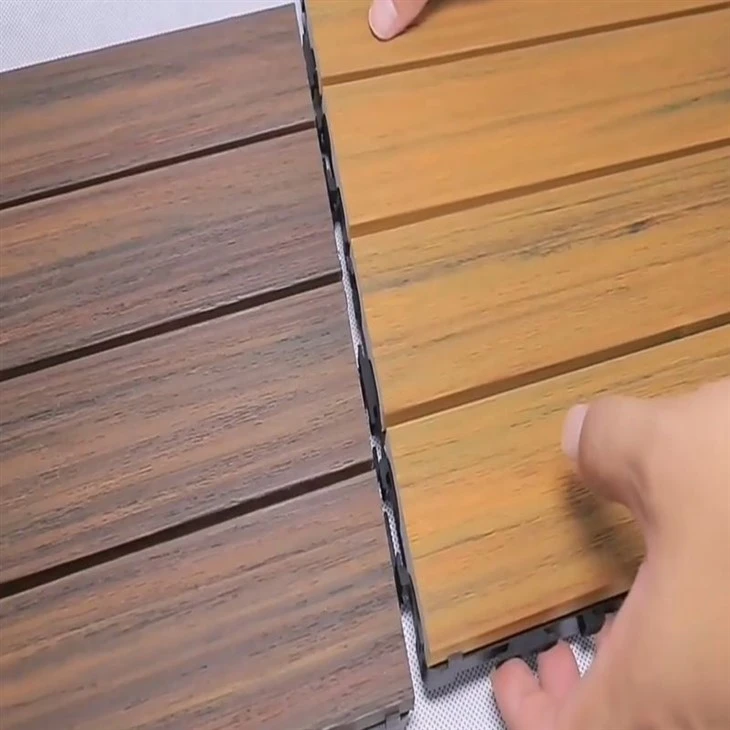

Once you have the measurements, you can determine how much edging material you need. It's a good idea to purchase a little extra edging material to account for any mistakes or adjustments during the installation process.
Next, plan the layout of your edging. Decide where you want to place the edging and how you want it to look. You may want to create a straight edge around the perimeter of your deck or add a decorative pattern.
Preparing the Area
Before installing the edging, you need to prepare the area around your deck. Remove any grass, weeds, or debris from the perimeter of the deck. Use a shovel or a garden rake to level the ground and create a smooth surface for the edging.
If you're using plastic or metal edging, you may need to dig a shallow trench around the perimeter of the deck. The depth of the trench will depend on the type of edging you're using, but it's typically around 2 - 3 inches deep.
Installing the Edging
Plastic Edging
If you're using plastic edging, start by unrolling the edging along the perimeter of the deck. Cut the edging to the appropriate length using a utility knife. Make sure to overlap the ends of the edging by a few inches to ensure a secure fit.
Use stakes or pins to secure the edging to the ground. Place the stakes or pins at regular intervals along the edging, typically every 1 - 2 feet. Hammer the stakes or pins into the ground until they are firmly in place.
Metal Edging
For metal edging, you'll need to use special tools such as a drill and screws. Start by placing the metal edging along the perimeter of the deck. Use a drill to make holes in the edging and the ground at regular intervals. Insert screws through the holes and tighten them to secure the edging to the ground.
If your deck has curves or corners, you may need to bend the metal edging to fit the shape. Use a pipe bender or a similar tool to bend the edging carefully.
Wood Edging
When installing wood edging, cut the wood to the appropriate length using a saw. You can use nails or screws to secure the wood edging to the ground. If you're using nails, make sure to pre - drill holes to prevent the wood from splitting.
Place the wood edging along the perimeter of the deck and align it with the edge of the decking tiles. Drive nails or screws through the wood and into the ground at regular intervals.
Securing the Decking Tiles
Once the edging is installed, you can start laying your classic DIY decking tiles. Make sure to leave a small gap between the edge of the decking tiles and the edging to allow for expansion and contraction.
As you lay the decking tiles, use a rubber mallet or a similar tool to tap them into place. Make sure the tiles are level and evenly spaced.
Finishing Touches
After all the decking tiles are laid, check the edging to make sure it's still secure. Make any necessary adjustments or repairs.
You can also add some finishing touches to your deck, such as adding a sealant to the wood edging or painting the plastic or metal edging to match the color of your deck.
Conclusion
Installing edging for classic DIY decking tiles is a relatively simple process that can significantly enhance the look and durability of your deck. By following these steps, you can create a beautiful and functional deck that you'll enjoy for years to come.
If you're interested in purchasing high - quality DIY Decking Tile, Wood Plastic Composite Patio Deck Tiles, or Wpc Interlocking Decking Tiles, please feel free to contact us for more information and to discuss your specific needs. We're here to help you create the perfect deck for your home.
References
- "Decking Installation Guide" - Home Improvement Magazine
- "DIY Decking Projects" - DIY Network
- "Edging Materials and Installation" - Garden Design Books