


As a supplier of WPC (Wood - Plastic Composite) wall panels, I often get asked the question: "Do WPC wall panels have a smooth surface?" This is a crucial query for many potential customers, as the surface texture of wall panels can significantly impact their aesthetic appeal, functionality, and ease of maintenance. In this blog post, I'll delve into the characteristics of WPC wall panels' surfaces, exploring the factors that determine their smoothness, the benefits of a smooth surface, and how our products stack up in the market.
Understanding WPC Wall Panels
Before we discuss the smoothness of WPC wall panels, it's essential to understand what they are. WPC wall panels are composite materials made by combining wood fibers or flour with thermoplastics, such as polyethylene, polypropylene, or polyvinyl chloride. This blend creates a product that combines the natural look of wood with the durability and low - maintenance properties of plastic.
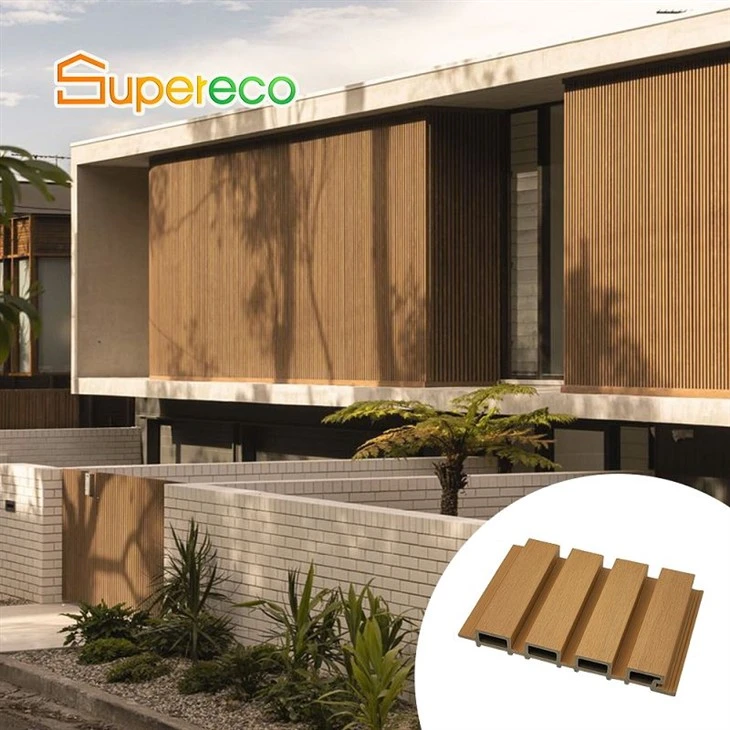
WPC wall panels come in a variety of styles and finishes, suitable for both interior and exterior applications. For exterior use, you can explore our exterior wpc cladding, which is designed to withstand the elements while enhancing the building's appearance. Our wpc wall siding is a popular choice for interior decoration, offering a wide range of colors and patterns to match different design concepts. And if you're looking for something for outside walls, our Cladding For Outside Walls provides a durable and stylish solution.
Factors Affecting the Smoothness of WPC Wall Panels
The smoothness of WPC wall panels is influenced by several factors, starting from the manufacturing process.
Raw Materials
The quality and composition of the raw materials play a significant role. High - quality wood fibers and well - selected thermoplastics are more likely to result in a smoother surface. When the wood fibers are finely ground and evenly distributed within the plastic matrix, it reduces the likelihood of rough spots or uneven textures on the panel's surface. Additionally, the type of plastic used can affect smoothness. Some plastics have a naturally smoother finish and better flow properties during the manufacturing process, which contribute to a more uniform surface.
Manufacturing Process
The extrusion process, which is commonly used to produce WPC wall panels, is a critical step. Precise control of temperature, pressure, and speed during extrusion is essential for achieving a smooth surface. If the extrusion parameters are not optimized, it can lead to surface defects such as streaks, bubbles, or uneven thickness. After extrusion, the panels may undergo additional finishing processes, such as sanding or polishing, to further enhance their smoothness. These post - extrusion processes can remove any minor imperfections and give the panels a high - gloss or matte finish, depending on the customer's preference.
Molding and Tooling
The molds and tooling used in the manufacturing process also impact the surface quality. Well - designed molds with smooth internal surfaces can transfer that smoothness to the WPC panels. Any scratches, dents, or irregularities in the molds will be replicated on the panels. Regular maintenance and cleaning of the molds are necessary to ensure consistent smoothness across production batches.
Benefits of a Smooth Surface
A smooth surface on WPC wall panels offers several advantages, both in terms of aesthetics and functionality.
Aesthetic Appeal
Smooth WPC wall panels have a modern and sophisticated look that can enhance the overall appearance of any space. Whether it's a residential living room, a commercial office, or an outdoor patio, the sleek finish of smooth panels adds a touch of elegance. They can also reflect light more evenly, creating a brighter and more inviting atmosphere. Moreover, a smooth surface allows for better color retention, ensuring that the panels look vibrant and fresh for a longer time.
Ease of Cleaning
One of the practical benefits of a smooth surface is its ease of cleaning. Dirt, dust, and stains are less likely to adhere to a smooth surface compared to a rough one. A simple wipe with a damp cloth or a mild cleaning solution is usually sufficient to keep smooth WPC wall panels looking clean. This is particularly important in high - traffic areas or places prone to spills and dirt, such as kitchens and bathrooms.

Hygiene
In areas where hygiene is a concern, such as hospitals, schools, and food processing facilities, smooth WPC wall panels are a great choice. The smooth surface is less likely to harbor bacteria, mold, and other pathogens compared to porous or rough surfaces. This makes it easier to maintain a clean and healthy environment.
Durability
A smooth surface can also contribute to the durability of WPC wall panels. It is less likely to be damaged by abrasion, scratches, or impact compared to a rough surface. The smooth finish acts as a protective layer, reducing the risk of wear and tear over time.
Our WPC Wall Panels: Smoothness Guaranteed
At our company, we take pride in producing WPC wall panels with a consistently smooth surface. We source the highest - quality raw materials and use state - of - the - art manufacturing equipment and processes. Our extrusion lines are carefully calibrated to ensure optimal temperature, pressure, and speed, resulting in panels with a uniform and smooth finish.
After extrusion, our panels undergo a rigorous quality control process. We inspect each panel for surface defects, and any panels that do not meet our strict standards are rejected. We also offer a variety of finishing options, including high - gloss, semi - gloss, and matte finishes, to meet the diverse needs of our customers.
Comparison with Other Materials
When compared to other wall panel materials, such as traditional wood or PVC, WPC wall panels with a smooth surface have several advantages.
Wood
Traditional wood panels can have a natural grain and texture, but they are also prone to warping, cracking, and rotting over time. They require regular maintenance, such as staining and sealing, to keep them looking good. In contrast, our smooth WPC wall panels are highly resistant to moisture, insects, and decay, and they require minimal maintenance.
PVC
PVC wall panels are known for their smoothness, but they may lack the natural look of wood. WPC wall panels combine the best of both worlds, offering a smooth surface with the warm and natural appearance of wood. They also have better mechanical properties than PVC panels, making them more suitable for heavy - duty applications.
Conclusion
In conclusion, WPC wall panels can indeed have a smooth surface, and this smoothness offers numerous benefits in terms of aesthetics, functionality, and durability. At our company, we are committed to providing high - quality WPC wall panels with a consistently smooth finish. Whether you're looking for exterior cladding, interior siding, or wall panels for outside walls, our products are designed to meet your needs.
If you're interested in our WPC wall panels or have any questions about their smoothness or other features, we encourage you to contact us for a procurement discussion. We look forward to working with you to find the perfect wall panel solution for your project.
References
- "Wood - Plastic Composites: Materials, Processing, and Products" by Leszek A. Pszczola
- "Exterior Cladding Materials: A Comprehensive Guide" by Building Materials Research Institute
- "Surface Finishing Techniques for Composite Materials" by Journal of Composite Materials