


When planning to build a gazebo, one of the crucial decisions is choosing the right flooring material. As a supplier of Composite DIY Decking Tile, I often get asked whether these tiles are suitable for a gazebo floor. In this blog, I'll explore the viability of using composite DIY decking tiles for a gazebo floor, discussing their benefits, potential drawbacks, and installation considerations.
Benefits of Using Composite DIY Decking Tiles for a Gazebo Floor
Durability
Composite decking tiles are engineered to withstand various environmental conditions. They are made from a combination of wood fibers and plastic polymers, which makes them highly resistant to rot, decay, and insect damage. Unlike natural wood, composite tiles won't warp, crack, or splinter over time, even when exposed to moisture and fluctuating temperatures. This durability is especially important for a gazebo, which is often located outdoors and subject to the elements.

Low Maintenance
One of the biggest advantages of composite DIY decking tiles is their low maintenance requirements. Unlike traditional wood decks, composite tiles don't need to be stained, painted, or sealed regularly. A simple occasional cleaning with soap and water is usually sufficient to keep them looking great. This not only saves you time and effort but also reduces the long - term cost of maintaining your gazebo floor.
Aesthetic Appeal
Composite decking tiles come in a wide range of colors, textures, and patterns, allowing you to create a customized look for your gazebo. Whether you prefer the natural look of wood or a more modern, contemporary style, there is a composite tile option to suit your taste. You can also choose from different tile sizes and shapes to create unique designs and patterns on your gazebo floor.
Easy Installation
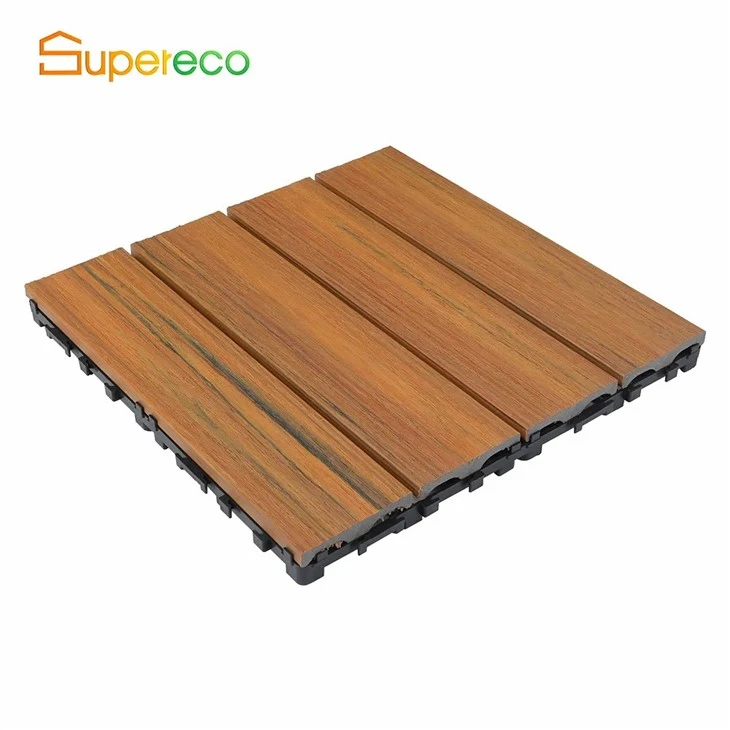
As the name suggests, DIY decking tiles are designed for easy installation. Most composite decking tiles feature an interlocking system that allows you to quickly and easily connect the tiles together without the need for specialized tools or skills. This makes them a great option for homeowners who want to take on a DIY project and save on installation costs. You can find more information about our DIY Decking Tile on our website.
Slip Resistance
Safety is an important consideration when choosing a flooring material for a gazebo. Composite decking tiles are often designed with slip - resistant surfaces, which helps to prevent accidents and injuries, especially when the floor is wet. This is particularly beneficial if your gazebo is located near a pool or in an area that is prone to rain.
Potential Drawbacks of Using Composite DIY Decking Tiles for a Gazebo Floor
Higher Initial Cost
Compared to some traditional flooring materials, such as concrete or gravel, composite decking tiles can be more expensive upfront. However, when you consider the long - term benefits of durability and low maintenance, the cost can be justified over time.
Heat Absorption
Composite decking tiles can absorb and retain heat, especially in hot climates. This means that the floor of your gazebo may become quite warm to the touch during the summer months. To mitigate this issue, you can choose lighter - colored tiles, which tend to reflect more heat, or provide some shade over the gazebo.
Limited Structural Integrity
While composite decking tiles are generally strong and durable, they may not be suitable for very large or heavy - duty gazebos. If your gazebo is going to be used for hosting large gatherings or supporting heavy furniture, you may need to ensure that the sub - structure is strong enough to support the weight.
Installation Considerations
Sub - Structure Preparation
Before installing composite DIY decking tiles on your gazebo floor, it's important to prepare a solid and level sub - structure. This may involve building a wooden frame or using a pre - fabricated decking support system. The sub - structure should be properly secured to the ground and provide adequate ventilation to prevent moisture buildup.
Tile Layout and Pattern
When laying the composite decking tiles, you can choose from a variety of layouts and patterns. Common patterns include straight, diagonal, and herringbone. Consider the size and shape of your gazebo, as well as your personal aesthetic preferences, when deciding on the layout.
Expansion and Contraction
Composite decking tiles will expand and contract with changes in temperature and humidity. To allow for this movement, you should leave a small gap between the tiles and around the perimeter of the gazebo floor. This will prevent the tiles from buckling or warping over time.
Conclusion
In conclusion, composite DIY decking tiles can be an excellent choice for a gazebo floor. They offer a combination of durability, low maintenance, aesthetic appeal, and easy installation. While there are some potential drawbacks, such as higher initial cost and heat absorption, these can be managed with proper planning and selection.
If you're interested in using our composite DIY decking tiles for your gazebo floor or have any questions about our products, we encourage you to reach out to us. Our team of experts is ready to assist you in choosing the right tiles for your project and providing you with all the necessary information and support. You can also explore our Wpc Tiles For Terrace and Wpc Interlocking Decking Tiles for more options.
References
- "Decking Materials: A Comprehensive Guide" - Home Improvement Magazine
- "Composite Decking: Pros and Cons" - Building Materials Research Institute