


As a supplier of Waterproof DIY Decking Tiles, I often get asked about the abrasion resistance of our products. This is a crucial aspect, especially for customers who want their decking to withstand heavy foot traffic, furniture movement, and various outdoor elements. In this blog, I'll delve into the factors that determine the abrasion resistance of waterproof DIY decking tiles and share insights based on our experience in the industry.
Understanding Abrasion Resistance
Abrasion resistance refers to a material's ability to withstand wear and tear caused by friction. In the context of decking tiles, it means how well the tiles can resist damage from people walking on them, the movement of chairs and tables, and other forms of contact. High abrasion resistance ensures that the decking maintains its appearance and functionality over an extended period.
Composition and Abrasion Resistance
The composition of waterproof DIY decking tiles plays a significant role in their abrasion resistance. Our DIY Decking Tile products are made from a combination of materials carefully selected for their durability. For instance, many of our tiles are made from wood plastic composite (WPC), which combines the natural beauty of wood with the strength and durability of plastic.
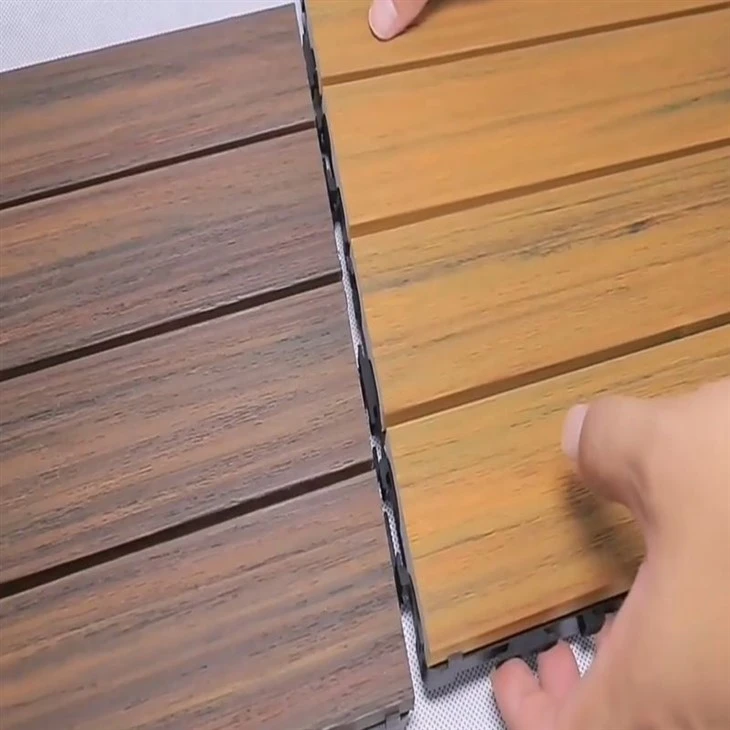
Wood Plastic Composite Patio Deck Tiles are designed to be highly resistant to abrasion. The plastic component in WPC provides a tough, protective layer that can withstand the rigors of daily use. The wood fibers, on the other hand, add a natural aesthetic appeal. This combination results in a decking material that is not only beautiful but also highly durable.

Surface Treatment
Another factor that affects abrasion resistance is the surface treatment of the decking tiles. Our waterproof DIY decking tiles undergo a special surface treatment process to enhance their resistance to wear. This treatment creates a hard, protective layer on the surface of the tiles, which helps to prevent scratches and scuffs.
The surface treatment also makes the tiles easier to clean. Dirt and debris can be easily wiped away, which helps to maintain the appearance of the decking. Additionally, the treated surface is resistant to stains, making it ideal for outdoor use where spills and messes are common.
Testing and Quality Assurance
At our company, we take the abrasion resistance of our waterproof DIY decking tiles very seriously. We conduct rigorous testing to ensure that our products meet the highest standards of quality and durability. Our testing procedures simulate real-world conditions, including heavy foot traffic, furniture movement, and exposure to the elements.
We use industry-standard testing methods to measure the abrasion resistance of our tiles. These tests involve rubbing the surface of the tiles with a abrasive material to determine how much wear and tear they can withstand. Based on the results of these tests, we can make adjustments to our manufacturing process to improve the abrasion resistance of our products.
Real-World Performance
In addition to laboratory testing, we also have real-world data on the performance of our waterproof DIY decking tiles. Our customers have installed our tiles in a variety of settings, including residential patios, commercial decks, and public spaces. The feedback we've received from these customers has been overwhelmingly positive.
Many customers have reported that our tiles have held up well under heavy use. They have noted that the tiles are resistant to scratches and scuffs, and that they maintain their appearance even after years of exposure to the elements. Some customers have also commented on the ease of installation and maintenance of our tiles, which are important factors for DIY projects.
Comparing with Other Materials
When it comes to abrasion resistance, waterproof DIY decking tiles made from WPC have several advantages over other materials. For example, traditional wood decking is prone to scratches, splintering, and rot, especially in areas with high foot traffic. Concrete and stone decking can be heavy and difficult to install, and they may also be prone to cracking and chipping.
In contrast, our Wpc Interlocking Decking Tiles are lightweight, easy to install, and highly resistant to abrasion. They also require minimal maintenance, making them a cost-effective and practical choice for outdoor decking projects.
Conclusion
In conclusion, waterproof DIY decking tiles, especially those made from wood plastic composite, are highly resistant to abrasion. Their composition, surface treatment, and rigorous testing ensure that they can withstand the wear and tear of daily use. Real-world performance and customer feedback also confirm the durability of our products.
If you're considering a DIY decking project, I encourage you to choose our waterproof DIY decking tiles. Not only will you get a beautiful and durable decking solution, but you'll also enjoy the convenience of easy installation and low maintenance. If you have any questions or would like to discuss your project in more detail, please don't hesitate to contact us. We're here to help you make the right choice for your outdoor space.
References
- ASTM International. (Year). Standard test methods for evaluating the abrasion resistance of materials. Retrieved from [Website]
- Wood Plastic Composite Association. (Year). Technical guide to wood plastic composite decking. Retrieved from [Website]
- Customer testimonials and feedback collected by our company.