


As a supplier of Classic DIY Decking Tiles, I often get asked the question: "Are classic DIY decking tiles waterproof?" This is a crucial query for many homeowners and DIY enthusiasts looking to enhance their outdoor spaces. In this blog post, I'll delve into the waterproofing capabilities of classic DIY decking tiles, explore different types of tiles, and provide insights to help you make an informed decision.
Understanding Waterproofing in Decking Tiles
Before we discuss whether classic DIY decking tiles are waterproof, it's important to understand what waterproofing means in the context of decking. Waterproof materials are those that prevent water from penetrating through them, which is essential for outdoor applications where exposure to rain, snow, and moisture is inevitable. For decking tiles, waterproofing not only protects the tiles themselves but also the underlying structure, such as the sub - floor or joists.
Classic DIY decking tiles come in various materials, each with its own waterproofing properties. Some common materials include wood, composite, and plastic.
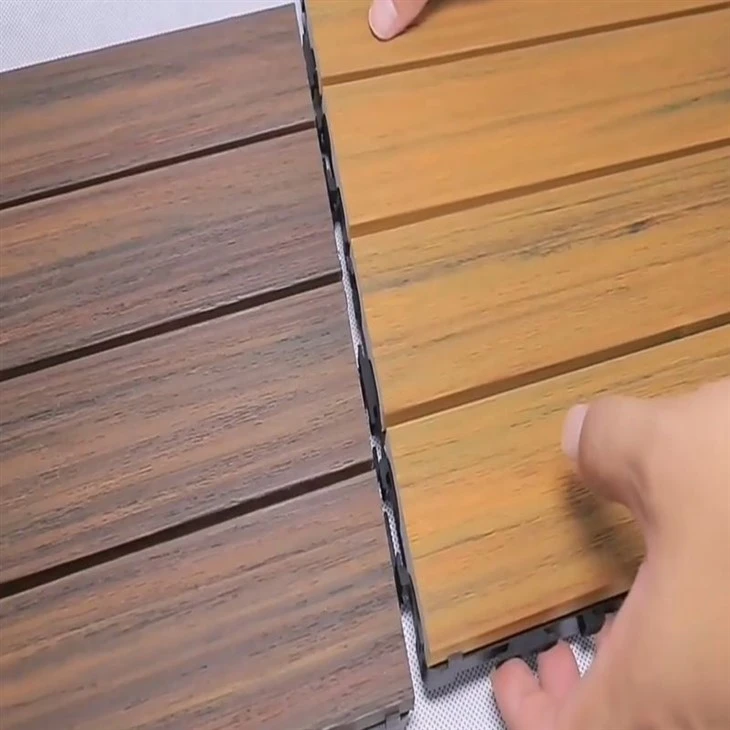

Types of Classic DIY Decking Tiles and Their Waterproofing
Wood Decking Tiles
Wood is a traditional choice for decking, valued for its natural beauty and warmth. However, natural wood is not inherently waterproof. Wood is a porous material, which means it can absorb water. When wood absorbs water, it can swell, warp, and eventually rot. To make wood decking tiles more water - resistant, they are often treated with sealants or stains. These treatments create a barrier on the surface of the wood, reducing water absorption.
But even with treatment, wood decking tiles may still require regular maintenance. Over time, the sealant can wear off, especially in high - traffic areas or in harsh weather conditions. If the sealant is not reapplied periodically, the wood will become more susceptible to water damage.
Wood Plastic Composite (WPC) Decking Tiles
WPC decking tiles, such as Wood Plastic Composite Patio Deck Tiles, are a popular alternative to traditional wood. These tiles are made by combining wood fibers and plastic polymers. The plastic component in WPC tiles provides a significant advantage in terms of waterproofing.
Plastic is a non - porous material, which means it does not absorb water. When combined with wood fibers, the plastic helps to create a more water - resistant surface. WPC decking tiles are generally more resistant to water damage than natural wood tiles. They are less likely to swell, warp, or rot, even when exposed to prolonged periods of moisture.
Moreover, WPC decking tiles often have a protective outer layer that further enhances their waterproofing capabilities. This layer can also make the tiles more resistant to scratches, stains, and UV damage. For example, Wpc Tiles For Terrace are designed to withstand the elements, making them a great choice for outdoor terraces.
Plastic Decking Tiles
Plastic decking tiles are another option for those seeking waterproof decking solutions. Plastic is completely non - porous, which means it is inherently waterproof. Plastic decking tiles do not absorb water, so they will not swell, warp, or rot.
These tiles are also very durable and require minimal maintenance. They are resistant to mold, mildew, and insect damage. However, some people may find that plastic decking tiles lack the natural aesthetic of wood. To address this, many plastic decking tiles are designed to mimic the look of wood, with realistic wood grain patterns.
Factors Affecting Waterproofing
Even if a decking tile is made from a waterproof material, there are several factors that can affect its overall waterproofing performance.
Installation
Proper installation is crucial for ensuring the waterproofing of decking tiles. If the tiles are not installed correctly, water can seep through the joints between the tiles and reach the underlying structure. For example, Wpc Interlocking Decking Tiles are designed to interlock tightly, which helps to prevent water from getting through the joints. However, if the tiles are not aligned properly during installation, water may still be able to penetrate.
Maintenance
Regular maintenance is also important for maintaining the waterproofing of decking tiles. As mentioned earlier, wood decking tiles require periodic sealing to maintain their water - resistance. Even WPC and plastic decking tiles may need some maintenance. For example, debris and dirt can accumulate on the surface of the tiles, which can trap moisture and potentially lead to damage. Cleaning the tiles regularly can help to prevent this.
Climate
The climate in which the decking tiles are installed can also affect their waterproofing. In areas with heavy rainfall or high humidity, the tiles will be exposed to more moisture, which can put more stress on their waterproofing capabilities. In colder climates, freeze - thaw cycles can also damage the tiles. When water freezes and expands in the pores or joints of the tiles, it can cause cracks and other forms of damage.
Conclusion
In conclusion, while not all classic DIY decking tiles are waterproof, there are options available that offer excellent waterproofing capabilities. Wood decking tiles require treatment and regular maintenance to be more water - resistant, while WPC and plastic decking tiles are generally more inherently waterproof.
When choosing decking tiles for your outdoor space, consider your specific needs, budget, and the climate in your area. If you want a low - maintenance and waterproof option, WPC or plastic decking tiles may be the best choice. However, if you prefer the natural look of wood, you can still use wood decking tiles with proper treatment and maintenance.
If you're interested in purchasing classic DIY decking tiles, I encourage you to reach out to discuss your requirements. Whether you're working on a small patio or a large terrace, we can help you find the right decking tiles for your project. Let's start the conversation and create the perfect outdoor space together.
References
- ASTM International. "ASTM Standards for Decking Materials." ASTM International, 2023.
- Decking Industry Association. "Best Practices for Decking Installation and Maintenance." Decking Industry Association, 2022.
- National Association of Home Builders. "Outdoor Living Trends and Materials." National Association of Home Builders, 2023.